Building the Mafia: How We Turned Homemade Lures Into a Business
Share
By Extreme Strike Mafia Lures
People see the finished bait. They see the colors, the packaging, the product photos, and the orders heading out the door.
What they do not always see is everything it took to get that bait into the bag.
Extreme Strike Mafia Lures grew out of curiosity, a love of fishing, and a willingness to keep learning. It also grew out of mistakes, production limits, late nights, and the realization that making a good lure is only one part of running a lure business.
We are building ESM while working full-time and caring for family. That shapes how we work, how much time we have, and the decisions we make.
For anyone wondering how a hobby becomes a business, here is a look behind the scenes.
It Started With Learning to Make a Bait
The early work involved watching YouTube videos, researching equipment, and learning what we could make with a starter kit purchased through eBay.
There were open-pour baits, salamanders, crinkle worms, and flukes. Some projects worked better than others. Each one taught something about materials, molds, technique, or the action we wanted in the water.
We were learning to make artificial lures while also learning more about fishing them.
One important moment came with an open-pour beaver-tail bait fished as a craw. Catching a fish on something we had made connected the work at the bench to the reason for doing it. It also helped teach us to pay attention to strikes on the fall.
That feeling can make a person want another mold. Then another.
Our equipment eventually expanded into CNC molds, including an Angling AI Core Shot Phantom Grub. New equipment opened possibilities, but every purchase also brought something else to learn.
A mold can give you a shape. Making that shape consistently—and learning how to fish it—takes work.
We Began Asking What We Could Improve
As we considered turning the hobby into a business, we needed a reason for anglers to choose our products.
Three questions became useful:
- Is there a hole in the market?
- Can we improve something anglers already use?
- Can we create something different?
THE ENFORCER came from a practical problem with wacky-rigged stick baits. We wanted a reinforced area that could help the bait hold up without requiring a separate O-ring.
That led to the integrated reinforced sleeve in our 5-inch stick bait.
The idea gave us a specific feature to develop and explain. It also gave customers something they could evaluate through use. Angler reports of durability became valuable feedback, though every fish, hook, and fishing situation can produce a different result.
That approach continued as the catalog grew. With THE MARK, the desired action and purpose came through collaboration, while our machinist and designer—the Enforcer—handled the major design work.
THE DOUBLE CROSS carried that process further: a 5.25-inch bait combining THE MARK’s body with THE YAKUZA’s wings.
A name can get attention. The design still has to earn its place in the tackle box.
Production Changed the Way We Thought About Time
Making a few baits for yourself feels different from producing enough to keep products available for customers.
Our early ENFORCER mold had five cavities. A bag contained eight worms. Five shots produced 25 worms—three complete bags and one extra—before allowing for any rejects.
At roughly 10–15 minutes per shot, those five shots represented about 50–75 minutes of injection cycles. Preparation, inspection, bagging, and labeling still had to happen.
Those numbers made the production limits easy to see.
Every color added another inventory commitment. Every new product added another set of molds, materials, labels, photos, and stock to manage.
We started in a small corner, about three feet by six feet, with a basic microwave setup. The shop eventually grew into roughly a 10-by-20-foot room.
More space and better equipment helped. We still had to decide what to make first, how much to keep ready, and how to fit production into the hours available.
There is a line that keeps coming back to us:
I can create most things. I cannot create time.
We Chose to Build Inventory Before Orders Arrived
Keeping products on hand became an important part of our operating model.
We wanted customers to be able to order from available inventory. That required producing ahead of demand and deciding how to spread our time across products and colors.
The challenge is that demand does not arrive evenly. One color can suddenly become popular while another moves slowly.
Electric Shad selling out after THE YAKUZA WING 5 launch showed us how quickly attention can put pressure on one part of the catalog.
More recently, a busy weekend brought over 40 orders, with some customers ordering more than 20 bags of lures along with bladed jigs and hooks. We were proud that the stocked inventory handled that volume.
That readiness took work before the orders came in.
For us, inventory is part of the customer experience. It is also a constant planning responsibility.
The Store Had to Work as Hard as the Products
We researched selling through marketplaces such as eBay, Amazon, and Walmart before choosing Shopify.
Building the store involved far more than uploading a picture and writing a price.
We had to learn product listings, variants, inventory counts, photographs, descriptions, labels, shipping, and the path a customer takes from seeing a post to completing an order.
One frustrating problem involved customers coming from Facebook and reaching blank Shopify pages. Work on the custom domain and the switch to the Dawn theme helped resolve that issue.
It was a reminder that a good lure cannot overcome a purchase path that fails.
Inventory mistakes also taught us to tighten our processes. A manual order that was not deducted from stock created a discrepancy. The useful response was to improve how we recorded those orders.
Small administrative details become much more important when several things are happening at once.
Advertising Required Learning With Real Money
Advertising was a gamble.
We had to spend money before knowing whether a particular audience or creative would produce buyers.
Easy Ads became part of that process, including working through early problems and moving to its Pro version. We tested photos, videos, and targeting while learning how to interpret the results.
In our experience, video performed better than photo ads. That is an observation from our business, rather than a rule for every company.
THE YAKUZA brought a major increase in attention. A set of videos reached roughly 150,000 views in a few days, and the release period brought hundreds of new Facebook followers.
Attention created opportunity. It also created more work.
We had to keep products available, answer questions, process orders, and serve the people who were discovering us.
Likes and views were useful signals, but we still needed to understand whether people visited the store, ordered, and returned. A viral video could introduce ESM. The product and customer experience had to carry the relationship forward.
We also learned that an approach to promotion can draw criticism. Some AI-assisted content attracted strong reactions. That became part of learning how to present our brand and how to handle public feedback.
The Queenpin Became Essential to the Operation
Christine—the Queenpin—is a major part of how ESM functions.
Her work includes installing 3D eyes, bagging products, labeling, packing, and shipping. Those tasks require care, especially when order volume grows.
There was a meaningful shift when she no longer needed help with each step and was independently carrying her part of the operation.
That expanded what we could accomplish together.
Running ESM alongside our jobs means much of the business happens during a second shift at home. Orders can arrive late at night. Production, packing, and customer questions still need attention around the rest of our lives.
We have used vacation time to catch up on ESM work. We also have family responsibilities that do not pause because the business is busy.
Growth makes you ask whether the workload is sustainable and where help is needed. Learning to share responsibility has been part of the business itself.
The Mafia Family Grew Through the Details
From the beginning, we wanted the person opening a package to feel recognized.
Our insert program uses five sequential cards, with a discount on the fifth. Handwritten notes on the backs became part of that experience, encouraged by Christine’s mother.
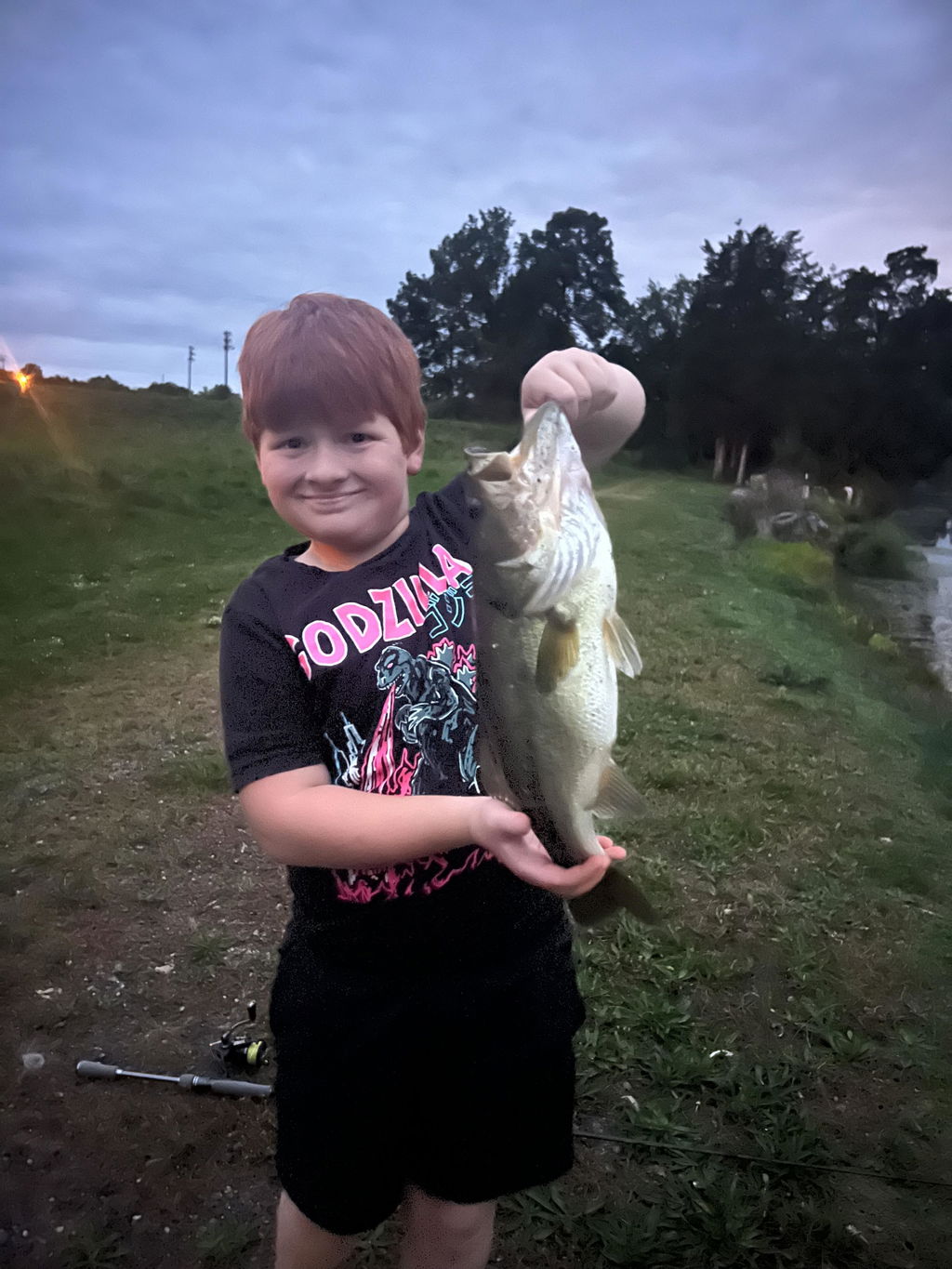
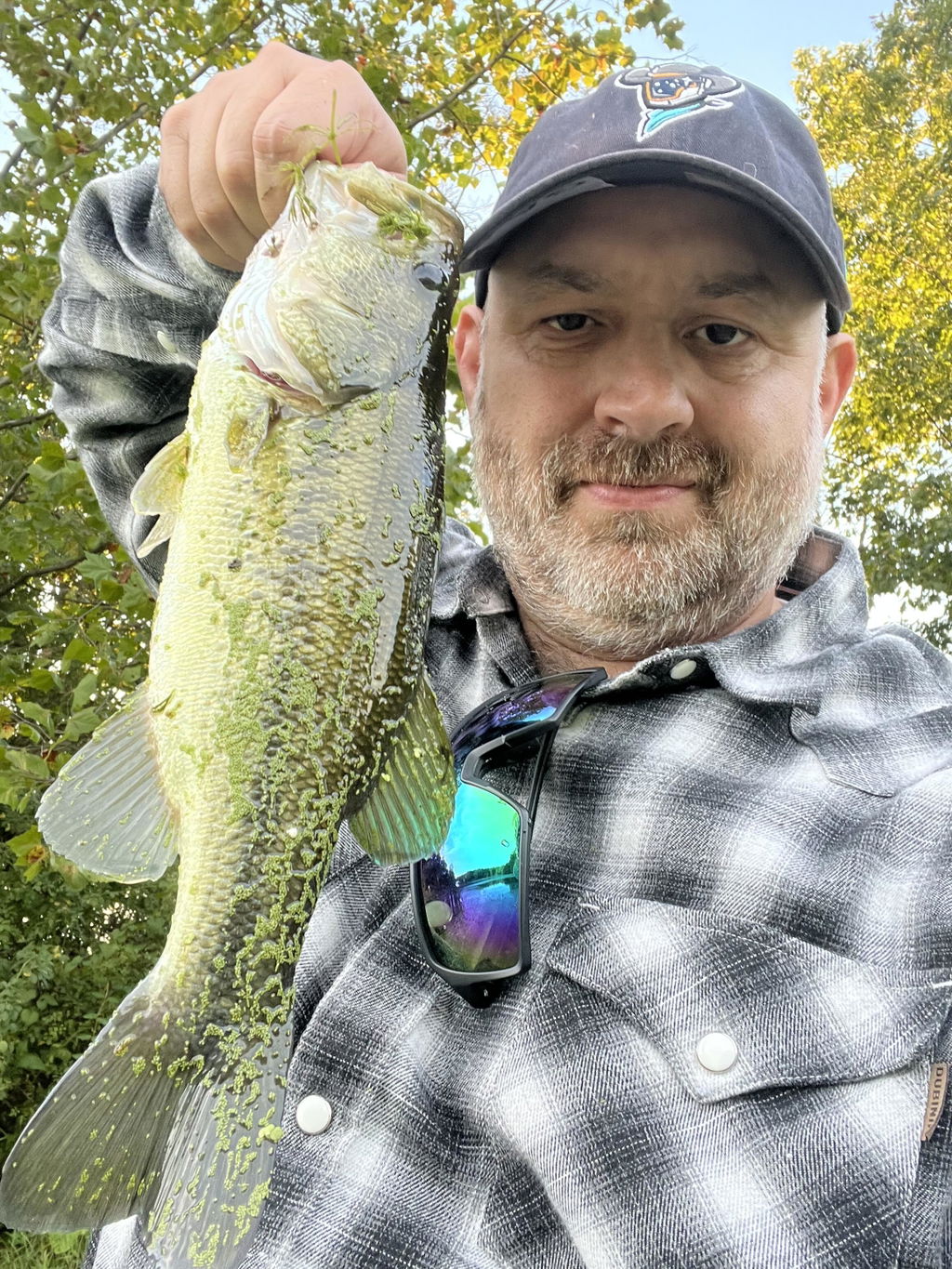
As orders accumulated, customer names became familiar. We received fish pictures, catch reports, repeat orders, and messages about how people were using the baits.
Those details changed the feeling of the business. We were getting to know the people on the other side of the package.
Repeat customers have become an important part of ESM. We have seen customers return again and again, including one reaching a tenth order.
That gives us something more useful than a follower count: evidence that people are choosing to come back.
It also raises our responsibility to maintain the quality and service that brought them back in the first place.
Growth Added Decisions as Well as Products
The catalog expanded into soft plastics, hooks, underspins, and bladed jigs. Each addition brought work beyond the product itself.
We had to consider how it fit the lineup, how to explain its purpose, how to photograph it accurately, and how to keep it available.
Pricing required research too. We compared major brands and smaller bait makers while considering what made our products different.
There is a gap between pricing a hobby product and pricing something that must support an ongoing business. Materials are only part of that picture. Production time, packaging, equipment, selling expenses, and customer service all have to be considered.
Our in-house CHEMICAL CHAOS and APEX PEARLS color work followed a similar lesson. Experimentation became part of what we could offer through our finished baits. Those materials remain part of our internal process.
A growing catalog is exciting. Supporting it consistently is the continuing job.
What Building ESM Has Taught Us
Making a product you believe in is a starting point.
Building a business around it requires repeatable production, accurate inventory, a working store, useful marketing, careful fulfillment, and relationships worth maintaining.
Our progress has come through solving those problems one at a time. We have made mistakes, adjusted processes, accepted help, and kept learning.
We are still working full-time. We are still balancing business and family. We are still figuring out how to use the time we have.
When the packages stack up and familiar names return, it is a powerful reminder of what this has become.
Lures. Who would have ever thought?
And they work.
To everyone who has placed an order, shared a catch, offered feedback, or told another angler about us: thank you for helping build the Mafia Family.
Extreme Strike Mafia Lures
Hang on—it’s going to be a wild ride.